
South Africa
Wine, Landscape and the Quiet Power of Transformation
TRAVEL AND WINE
4/10/20264 min read
A Landscape That Shapes More Than Wine
The first impression is visual — and unforgettable.
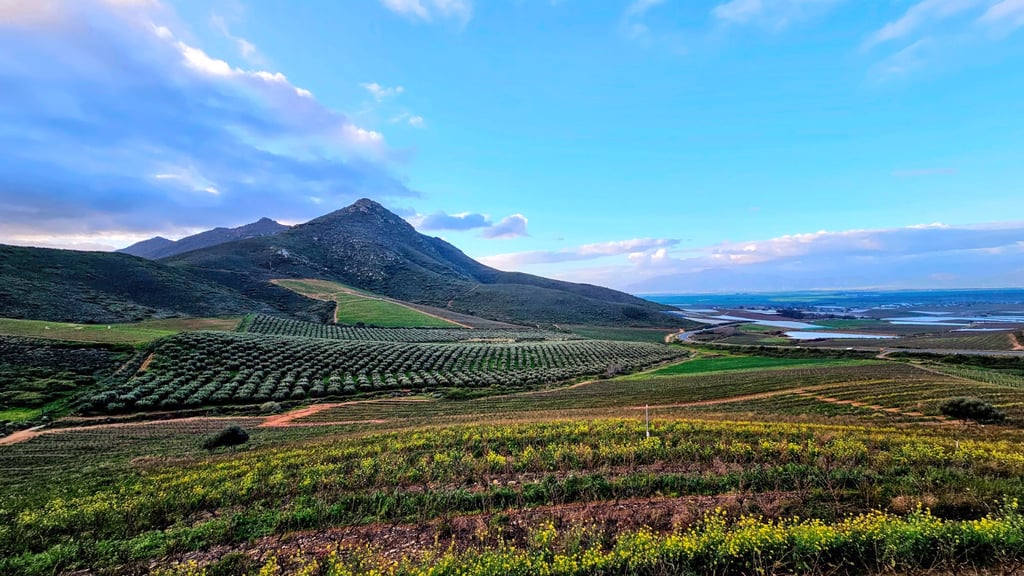
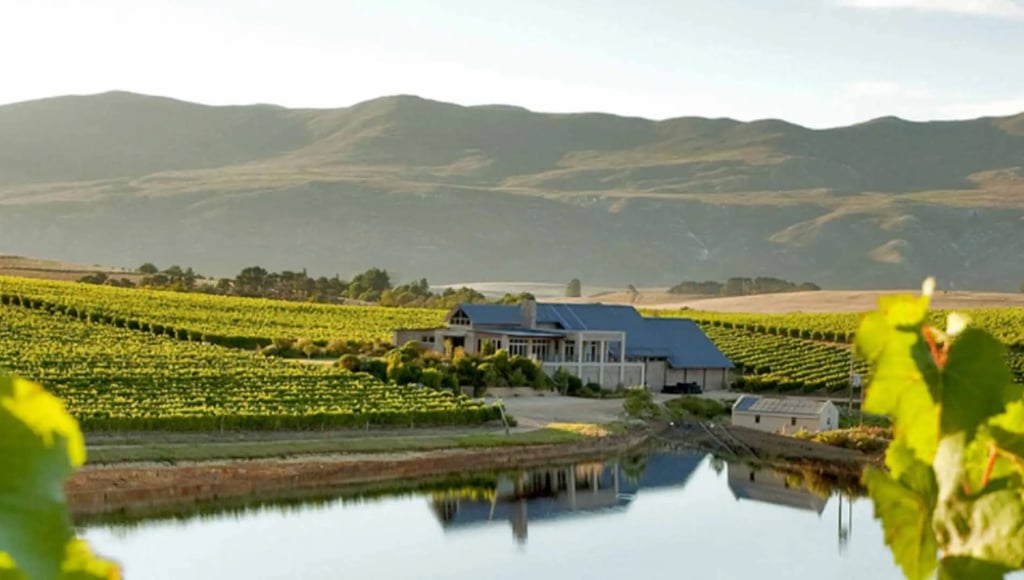
Rolling hills shift from deep green to burnt orange tones, framed by dramatic mountains and constantly changing light. The landscape feels expansive, yet intimate at the same time.
Driving through Stellenbosch, Franschhoek and Swartland, one realises that South Africa’s wine regions are not only defined by terroir, but by contrast: maritime influence and inland heat, historic estates and new voices, structure and freedom.
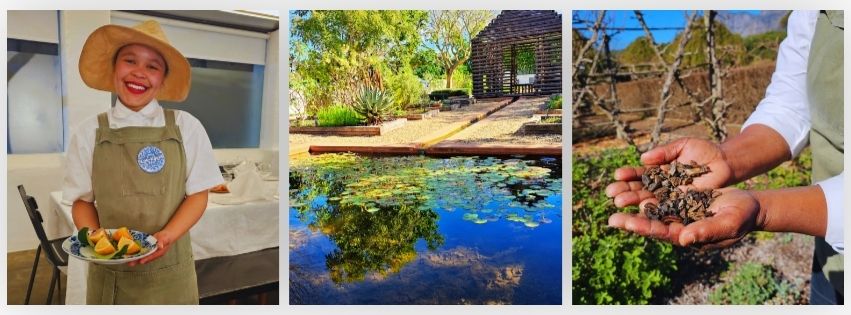
At Babylonstoren, this connection between land and experience reaches a different dimension.
More than a winery, it is a living ecosystem — gardens, architecture, gastronomy and hospitality integrated into one coherent vision. Walking through its botanical gardens, tasting produce directly from the land, and experiencing the rhythm of the estate offers a perspective that goes beyond wine.
It is not about visiting a winery. It is about entering a system.
A Destination To Experience, Not To Rush
If there is one defining element across the journey, it is pace.
South Africa invites you to slow down — not as a concept, but as a necessity to fully understand what is happening.
Because beneath the beauty of its landscapes lies a deeper transformation: one of identity, ownership, precision and intent.
And that is where its true strength emerges.
Closing Reflection
For those observing the global wine landscape, South Africa represents something increasingly rare:
A region where quality is rising, identity is strengthening, and the narrative is still being written.
And perhaps that is its greatest opportunity.
Not to replicate established models —but to define its own.
Where terroir, people and history are redefining the future of fine wine
South Africa does not reveal itself immediately. It unfolds gradually — through light, through landscape, and through conversations that extend beyond wine itself.
Arriving in the Cape Winelands brings a different kind of awareness. The scale of the landscape is striking, but what defines the experience is something more subtle: a sense of transition. Not only in the vineyards, but in the structure of the industry itself.
Wine here is not static. It is evolving.
Ownership, Access and a Changing Industry
Beyond style and terroir, another transformation is taking place — one that is less visible, but equally significant.
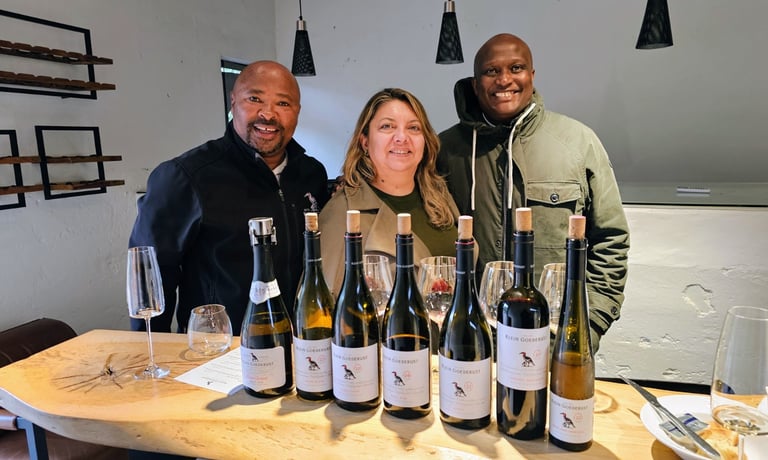
At Klein Goederust, I encountered one of the most powerful stories of the journey.
The owner spent seven years working two jobs to acquire the vineyard. When he finally did, the land required complete replanting due to disease. Starting again from zero, together with his winemaker, they rebuilt the estate — vineyard, wines and vision.
Today, the winery produces wines of remarkable finesse and has become a place of gathering, with a restaurant and a strong sense of presence.
What stands out is not only the quality of the wines, but the meaning behind them.
South Africa is not only refining its wines. It is redefining who participates in the industry.
Wine, Precision and a New Identity
Across the regions, a clear direction emerges: precision.
Producers are moving away from power towards definition — focusing on texture, balance and site expression. Chenin Blanc, in particular, reveals the country’s ability to combine energy with depth, while Syrah and Chardonnay show increasing refinement.
At Creation Wines, the experience reflects this shift perfectly.
Welcomed by Jean-Claude and Carolyn Martin, hospitality becomes part of the narrative. The tasting is not limited to wine; it engages all senses — texture, sound, aroma and rhythm — creating a fully immersive understanding of place. The wines themselves are precise, layered and restrained, rewarding attention rather than immediate impact.
Hospitality As A Strategic Advantage
One of the most distinctive aspects of South Africa is its approach to hospitality.
Experiences are not designed as add-ons, but as integral parts of the wine narrative. Tastings extend into meals, landscapes into architecture, and visits into moments of genuine connection.
From refined dining experiences overlooking vineyards to more informal, deeply personal encounters, hospitality becomes a defining layer of value.
This is where South Africa differentiates itself clearly on a global level: it does not only produce wine — it creates context.
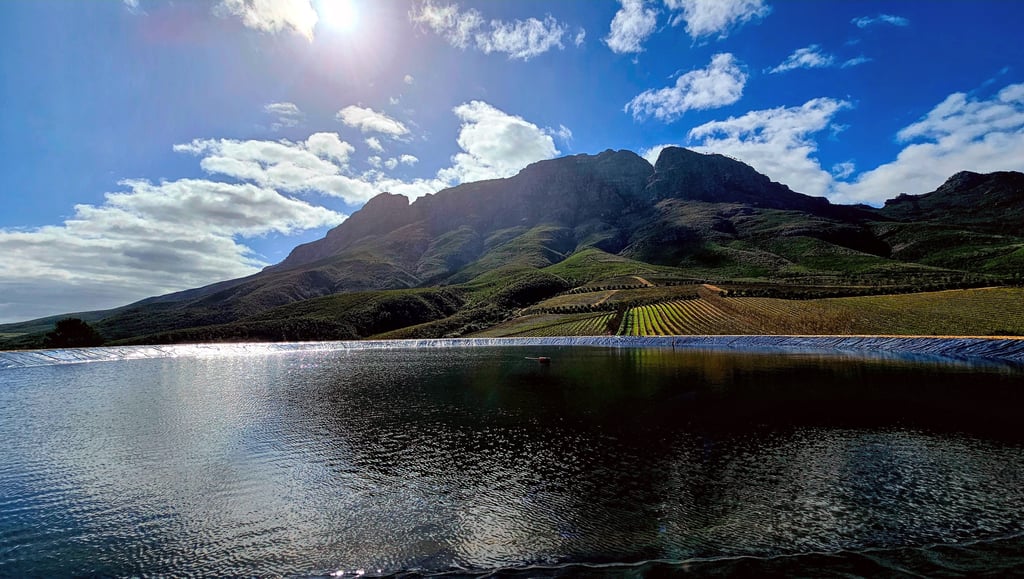
At Tokara, this sense of precision extends beyond the glass.
During my most recent visit, the experience was defined not only by the wines, but by a gastronomic offering that stands among the most refined in the region — a natural extension of the estate’s philosophy. The Syrah, in particular, was one of the most compelling I tasted, combining structure, depth and a remarkable sense of balance.
This attention to detail is consistent over time. In a previous visit, walking the vineyards with Karl Lambour, I gained a deeper understanding of the estate’s long-term vision: a strong commitment to biodiversity, rainwater collection, solar energy and, equally important, a culture of respect and care for the people behind the work. It is this alignment — between land, wine and human dimension — that ultimately defines Tokara’s identity.
At Delaire Graff, elegance takes another form.
Here, structure and architectural precision define the wines. With Damien Joubert-Winn guiding the tasting, the portfolio reveals a consistent thread of refinement — fine-grained tannins, controlled power and a complexity that builds slowly in the glass.
These are wines designed not for immediacy, but for evolution.