

Micro Gestures, Macro Impact
Details That Shape Perception
2/5/2026
Introduction: In Luxury, Everything Communicates — Especially the Invisible
Brands that seek to position themselves in the high-end segment must understand that value is not always perceived through what is obvious, but through details the consumer does not rationalise yet never forgets.
True luxury does not reside in the logo, the price, or grandiloquent discourse. It resides in a collection of coherent, silent, and carefully orchestrated micro gestures that elevate the experience without needing to name it.
In the world of wine, this logic is even more powerful: ritual, pause, touch, gaze, tone… everything matters. Everything builds the brand.
What Are Brand Micro Gestures?
They are small, seemingly invisible decisions that:
Reinforce brand identity
Generate sensory coherence
Move emotionally without explanation
Differentiate effortlessly
Micro gestures are not extras: they are essence.
Krug Champagne wraps its box with a crepe paper ribbon, not glossy plastic. The gesture is subtle, yet it conveys sobriety, heritage, and tactile sensitivity. A micro gesture that speaks of respect for aesthetics and tradition.
How Details Are Expressed in a Fine Wine Experience
In the rhythm of a winery visit. Not interrupting silence with unnecessary technicalities. Leaving space for contemplation.
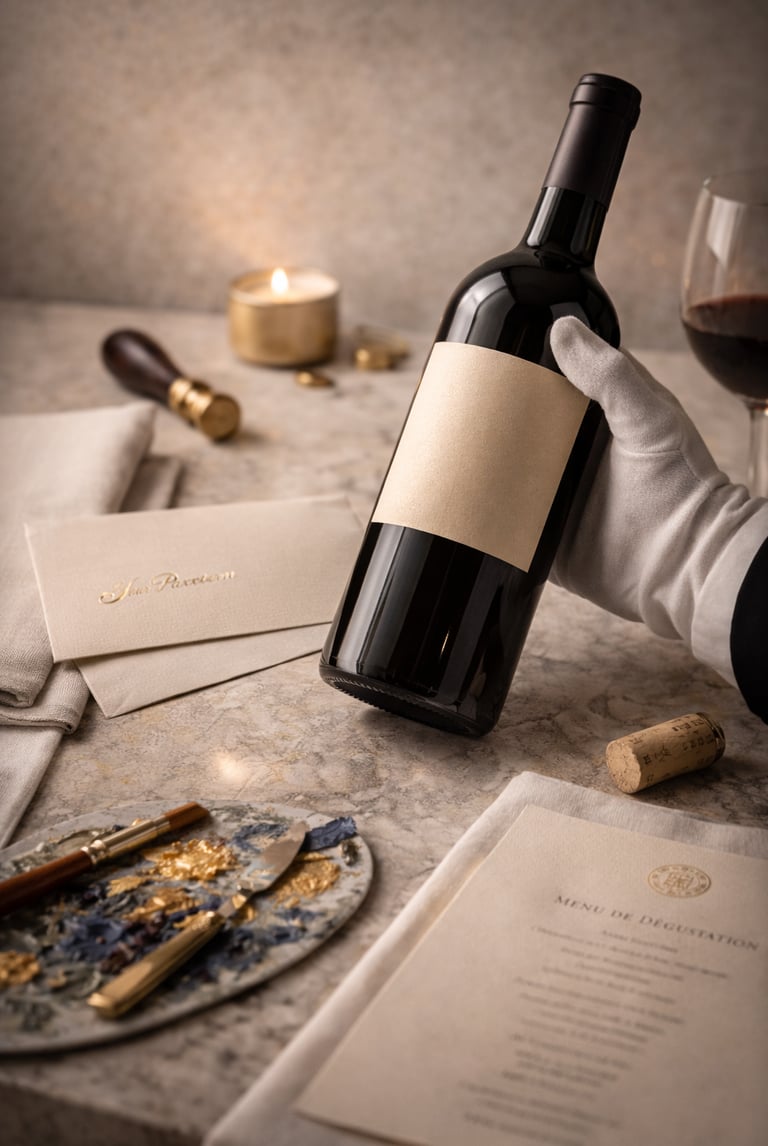
In the choice of materials. The type of paper used for the label, the texture of the menu, the fabric of the napkin.
In customer attention. Addressing the guest by name, offering an unannounced extra glass, remembering which bottle they purchased last time.
In spatial design. Ambient temperature, acoustics, natural light.
Opus One (USA) designs its visits with millimetric precision. The visitor does not consciously notice it, but feels that everything “flows naturally”. That naturalness is the result of design. And that is luxury.
Why Details Generate Lasting Impact
Because they touch the emotional plane before the rational one.
Because they reinforce the message without repeating it.
Because they differentiate in markets where everyone claims “quality”.
Because the luxury consumer does not seek to be impressed: they seek to feel understood.
A good detail is not noticed instantly. It's remembered forever.
Mistakes That Reveal a Lack of Brand Sensitivity
Copying gestures without aligning them with identity
Caring for what is visible while neglecting what happens “behind the scenes”
Underestimating the power of sensory coherence
Believing that “a small mistake won’t be noticed”
Impeccable packaging does not compensate for a noisy tasting experience or a poorly lit room. Luxury demands harmony, not just strong points.
How to Train the Eye to Detect and Design High-Impact Micro Gestures
Analyse your experience as if you were a demanding guest. What do you feel in the first 30 seconds?
Map your brand’s sensory touchpoints. What does the client see, hear, smell, touch, or intuit?
Document the invisible. From how a glass is handed over to how an email is closed.
Curate what is not said. The tone of the greeting, the order of the wines, the way a visitor is farewelled.
Conclusion: Small Gestures Are Luxury’s Most Powerful Language
In the universe of high-end brands, details are not decoration: they are implicit narrative.
🍷 Because when everything feels effortlessly orchestrated, the client does not perceive a strategy. They perceive a brand that understands them.
